There’s this scene that plays out in gyms and fitness studios across the country. Someone finishes a workout, drenched in sweat, barely able to walk properly, and declares with a mixture of pride and exhaustion: “I’m going to feel that tomorrow.” We’ve been taught to wear our muscle soreness like a badge of honour, proof that we’ve pushed hard enough, that the workout “counted.”
But here’s something worth considering. What if everything we’ve learned about exercise intensity has been a bit skewed? What if the most effective workout isn’t always the one that leaves you hobbling up stairs for three days afterwards? For women especially, who are juggling careers, families, social lives, and the everyday mental load that comes with modern life, the relentless pursuit of brutal workouts might actually be working against us.
Where the “No Pain, No Gain” Mentality Comes From
The fitness industry has long had a love affair with extremes. Look back at the aerobics boom of the 1980s, the rise of bootcamp-style classes, and more recently, the explosion of high-intensity interval training. There’s always been this underlying message that if you’re not completely exhausted, you haven’t worked hard enough.
Social media hasn’t helped matters. Scroll through Instagram or TikTok and you’ll find endless videos of people collapsing after workouts, dramatic before-and-after transformations promising results in weeks, and fitness influencers pushing themselves to visible limits. It makes for compelling content, but it also creates a warped sense of what “normal” exercise should look like.
The confusion often comes from misunderstanding what it means to challenge yourself. Yes, you need to push your body beyond its current capabilities to see improvement. But there’s a massive difference between the productive discomfort of working muscles in new ways and the pain that signals actual harm. Somewhere along the way, we started glorifying the latter.
Women have been particularly targeted by this messaging. The fitness industry has spent decades telling us we need to punish our bodies into submission, to burn off calories, to earn our food through suffering. It’s exhausting, frankly, and it’s no wonder so many women have a complicated relationship with exercise.
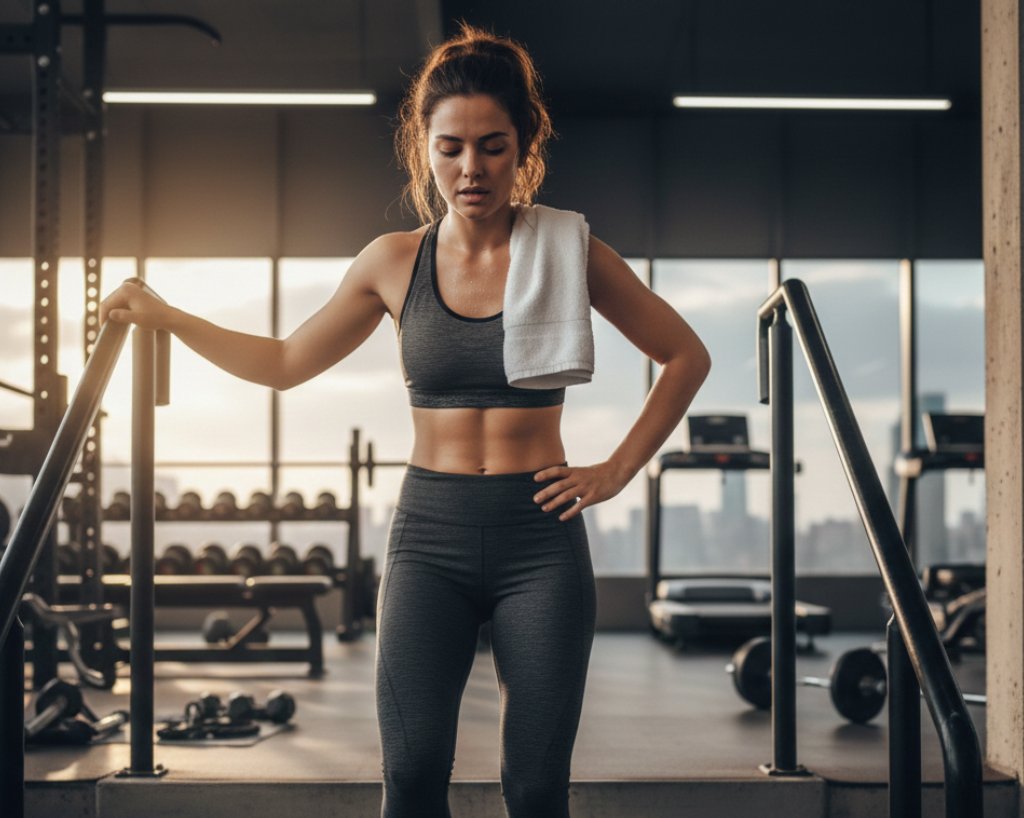
What Science Actually Says About Exercise Intensity
Here’s where things get interesting. When researchers actually study exercise outcomes, they find that consistency matters far more than intensity for most health goals. A person who walks briskly five times a week will generally see better long-term results than someone who does punishing HIIT sessions twice a week and then burns out.
The body adapts to stress through a principle called progressive overload. You gradually increase the demands you place on your muscles and cardiovascular system. But “gradual” is the key word there. You can achieve progressive overload through adding repetitions, improving form, increasing range of motion, or extending duration. None of these require you to be in agony.
Different intensities serve different purposes in a well-rounded fitness approach. High-intensity work has its place for building certain types of fitness, absolutely. But low-intensity steady-state cardio improves your aerobic base, helps with recovery, and can be sustained for longer periods. Moderate-intensity strength work builds functional muscle and bone density. It’s not about one being better than the other, it’s about having a varied approach that you can maintain over years, not just weeks.
The Hidden Costs of the “Go Hard or Go Home” Approach
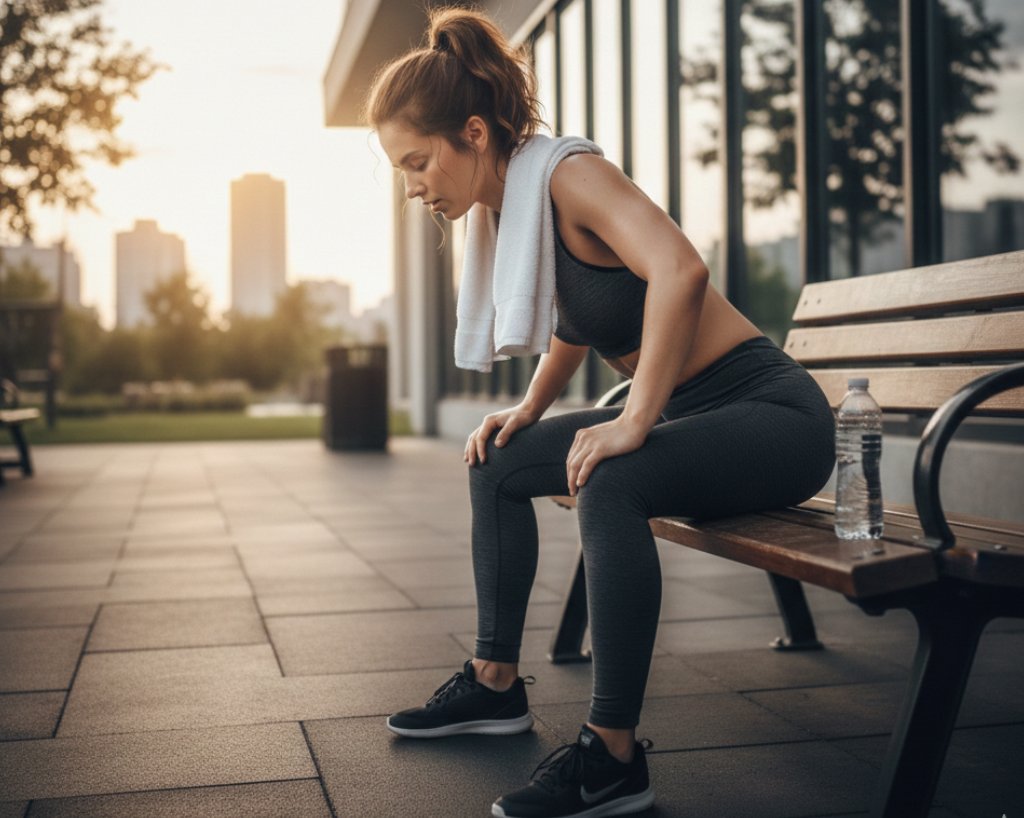
Let’s talk about what happens when you constantly push your body to its limits. Injury rates in high-intensity training environments are significantly higher than in moderate-intensity programmes. Stress fractures, torn ligaments, and overuse injuries don’t happen because you’re getting stronger. They happen because you’ve exceeded your body’s capacity to recover and adapt.
For women, there’s another layer to consider. Excessive high-intensity exercise, especially when combined with inadequate rest or nutrition, can wreak havoc on hormones. Your body perceives intense training as stress, and chronic stress elevates cortisol. High cortisol levels can disrupt your menstrual cycle, interfere with sleep, increase inflammation, and ironically, make it harder to lose fat despite all that hard work.
Then there’s the psychological toll. How many times have you started a new fitness routine with enthusiasm, pushed yourself hard for a few weeks, felt completely burnt out, and then stopped altogether? This boom-and-bust cycle is incredibly common, and it’s often the result of unsustainable intensity. You end up spending more time away from exercise than doing it, which defeats the entire purpose.
The long-term impact on joints and connective tissue deserves attention too. Your cartilage, tendons, and ligaments adapt more slowly than muscles do. Repeatedly jarring your joints with high-impact movements, especially as you age, can lead to degenerative issues down the line. The knees and ankles you have at forty will thank you for the gentler approach you took at thirty.
Why Low-Impact Exercise Deserves More Credit
Low-impact exercise includes any movement where at least one foot stays in contact with the ground, or where your body is supported. Think walking, swimming, cycling, Pilates, yoga, rowing, and the elliptical machine. These activities might not have the dramatic appeal of box jumps or burpees, but they deliver genuine, lasting benefits.
Your cardiovascular system responds beautifully to low-impact cardio. Your heart doesn’t know whether you’re running or swimming, it only knows it needs to pump blood and oxygen to working muscles. You can achieve excellent cardiovascular fitness through activities that don’t pound your joints into submission.
Low-impact strength work builds the kind of functional strength that actually translates to daily life. When you’re carrying shopping bags, picking up children, or rearranging furniture, you’re not doing explosive plyometric movements. You’re using controlled strength through a full range of motion, which is exactly what practices like Pilates train you to do.
There’s also something valuable about the flexibility, balance, and body awareness that come from gentler movement practices. These qualities might not seem as exciting as lifting heavier weights or running faster, but they’re what keep you moving comfortably and injury-free as you age. They’re what let you catch yourself before a fall, maintain good posture during long work days, and move through life with ease rather than constant aches.
Perhaps most importantly, low-impact exercise is accessible. Whether you’re twenty-five or sixty-five, recovering from an injury, managing a chronic condition, or completely new to fitness, you can start with low-impact movement and progress from there. The barrier to entry is lower, which means more people can actually begin and stick with it.
Low-Impact Doesn’t Mean Low-Effort
There’s a persistent misconception that low-impact equals easy, and anyone who’s held a Pilates plank for a minute whilst maintaining proper form will tell you that’s nonsense. The shaking muscles, the sweat, the burning sensation in your core, all of that happens without a single jump or jarring movement.
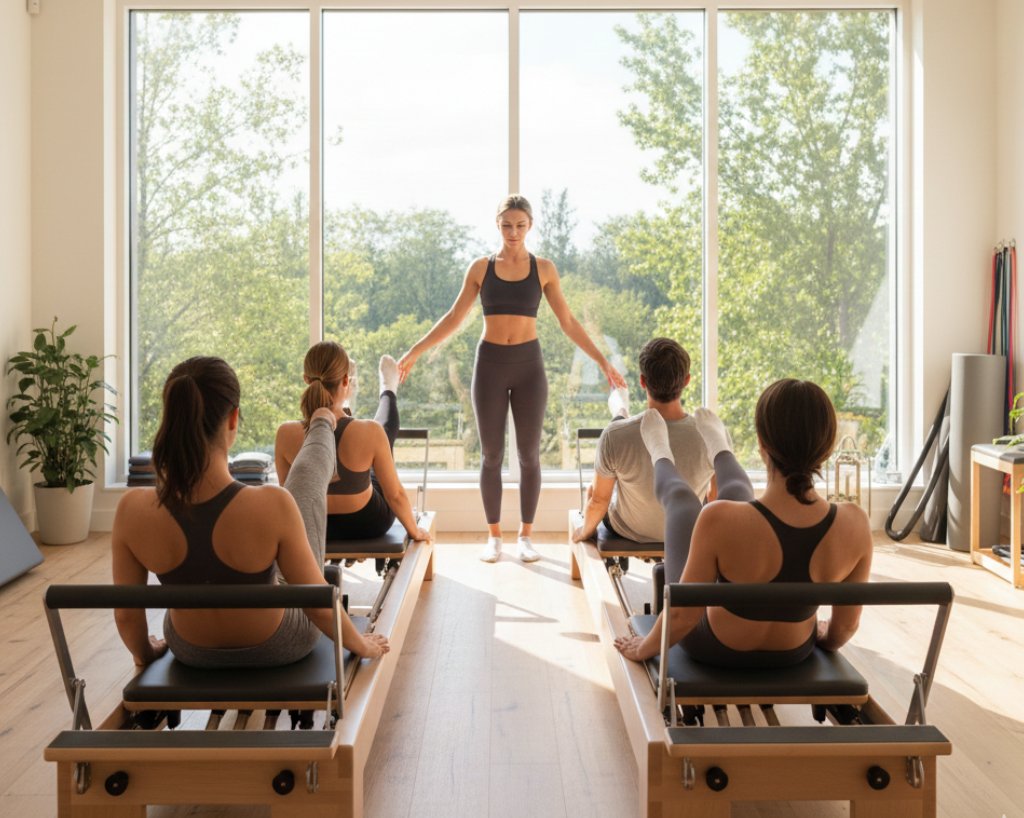
We’ve talked with Lifted Pilates, who specialise in reformer and mat-based classes, and they emphasise this point constantly. Their clients are often surprised by how challenging controlled, precise movements can be. When you slow down and focus on engaging the right muscles through their full range of motion, you’re working incredibly hard. You’re asking your body to move with control and intention, which requires significant strength and endurance.
Consider the mental focus required in many low-impact practices. In Pilates or yoga, you’re not mindlessly going through motions. You’re thinking about breath, alignment, which muscles should be working, and how to maintain form throughout each movement. This mind-body connection is valuable in itself, but it also means you’re getting more from each exercise because you’re performing it correctly.
The beauty of low-impact frameworks is that they’re endlessly progressive. You can make movements more challenging by adjusting resistance, changing leverage, increasing time under tension, or reducing stability. Someone doing advanced Pilates work is absolutely working as hard as someone doing traditional strength training, they’re achieving it through different means.
Who Benefits Most from Low-Impact Exercise
Women’s bodies go through remarkable changes throughout life, and low-impact exercise can support us through all of them. During different phases of your menstrual cycle, your energy levels, joint laxity, and recovery capacity fluctuate. Having a movement practice that you can dial up or down based on how you feel makes it sustainable month after month.
The perimenopause and menopause years bring their own considerations. Declining oestrogen affects bone density, joint health, and recovery time. Low-impact strength training becomes crucial for maintaining bone health without excessive joint stress. It’s also gentler on a nervous system that might already be dealing with sleep disruption and temperature regulation issues.
If you’re returning to exercise after pregnancy, low-impact work is often the smartest place to start. Your pelvic floor and abdominal wall need time to heal and strengthen, and high-impact activities can interfere with that process. Pilates, in particular, has a strong focus on core and pelvic floor engagement that supports postpartum recovery.
Anyone dealing with joint issues, whether from old injuries, arthritis, or other conditions, needs exercise that doesn’t aggrevate existing problems. The catch-22 is that you need to move to maintain joint health and mobility, but high-impact movement might cause more damage. Low-impact options solve this dilemma beautifully.
Here’s one that often gets overlooked: if you’re already dealing with high stress levels in your life, adding more physical stress through brutal workouts might not be the answer. When your nervous system is constantly in overdrive from work pressure, family demands, and the general chaos of modern life, gentle movement can actually be more beneficial. It provides the health benefits of exercise without pushing your stress response even higher.
Building a Balanced Approach
The goal isn’t to abandon intense exercise completely if you enjoy it and it works for your body. It’s about building a varied, sustainable approach that matches your current life circumstances and long-term goals.
Your workout routine might include some higher-intensity sessions when you’re feeling strong and well-rested, but it should also incorporate plenty of moderate and low-intensity movement. Perhaps that looks like two strength sessions, two Pilates classes, and daily walks. Or maybe it’s swimming three times a week with yoga on other days. The specifics matter less than the overall pattern of consistent, varied movement.
Learning to listen to your body is perhaps the most valuable skill you can develop. Some days you’ll feel energised and ready to push harder. Other days, your body will be telling you it needs something gentler. Both responses are valid, and honouring them will serve you better than rigidly sticking to a plan regardless of how you feel.
Rest and recovery aren’t optional extras, they’re when your body actually adapts and gets stronger. Low-impact movement can even be part of your recovery strategy. A gentle swim or walk on a rest day promotes blood flow and helps clear metabolic waste products without adding significant stress.
Creating a sustainable routine means finding something you can imagine doing not for twelve weeks, but for twelve years. That’s where low-impact exercise really shines. It’s the kind of movement you can maintain through different life stages, through busy periods and calm ones, through your twenties and into your sixties and beyond.
Finding What Works for You
The truth is that effective exercise looks different for everyone, and it can look different for the same person at different points in their life. The seventeen-year-old athlete, the thirty-five-year-old new mother, and the fifty-year-old perimenopausal woman all need different things from their movement practice.
What matters most is finding sustainable movement that makes you feel strong, capable, and energised rather than depleted and broken. If you’ve been stuck in the “no pain, no gain” mindset, it might be worth experimenting with gentler approaches. Try a Pilates class at a studio like Lifted Pilates, go for a long walk in nature, take a swimming session, or explore a yoga practice.
You might be surprised by how challenging these activities can be, but also by how much better you feel afterwards. There’s something quite lovely about finishing a workout feeling energised rather than destroyed, knowing you’ve worked your body without beating it into submission.
The goal isn’t to prove anything to anyone or to push yourself to extremes. It’s to find movement that supports your health, makes you feel good, and fits into your life in a way that’s actually sustainable. Sometimes the bravest thing you can do is choose the gentler path, especially in a culture that constantly tells you to go harder, push more, and never be satisfied with where you are.
Your body is designed to move, but it’s also designed to last you a lifetime. Treating it with respect, giving it varied challenges, and allowing it adequate recovery isn’t weakness. It’s wisdom.